September 21, 2026
Pool screen enclosures are not just functional extensions of your backyard but are integral to prolonging the life of your pool and enhancing your swimming experience. High-quality pool screen enclosures serve multiple purposes, from keeping debris out to offering aesthetic enhancement. By understanding their various functionalities, homeowners can make informed decisions about investing in these structures. This article delves into the myriad benefits of pool screen enclosures, underpinning why they are an indispensable part of modern pool settings.
Understanding Pool Screen Enclosures
Definition and Purpose
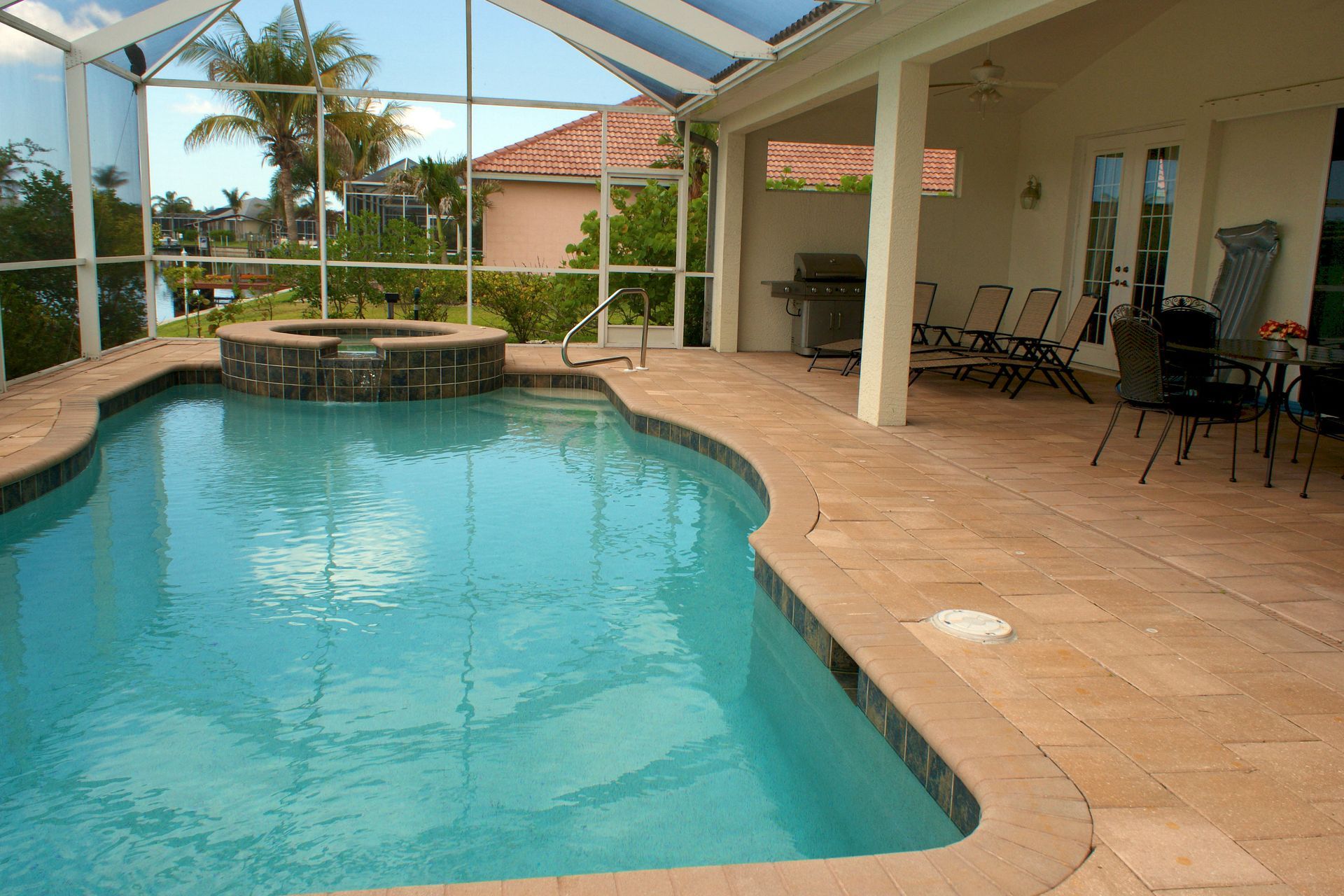
Pool screen enclosures are structures built around swimming pools, primarily designed to keep debris and insects out. They often consist of aluminum frames with mesh screen panels, offering a barrier without obstructing views. These enclosures serve several functions, including enhancing safety by keeping children and pets away from unsupervised pool access. The primary purpose is to maintain a cleaner, low-maintenance pool environment by minimizing the entry of leaves and insects. Moreover, these structures provide shade and reduced UV exposure, contributing to a more comfortable swimming experience. According to RubyHome, nearly 8% of homes in the U.S. have a swimming pool, making it incredibly important to focus on the safety of a screen.
Types of Materials Used
Pool screen enclosures can be crafted from various materials, each offering distinct advantages. Aluminum is popularly used due to its lightweight yet durable nature, making it ideal for areas experiencing high wind speeds. Fiberglass screens are another choice, renowned for their flexibility and resistance to damage. Polyester mesh is increasingly gaining popularity for its strength and UV protection capabilities. While cost and durability often guide material choice, aesthetic appeal and maintenance demands are also crucial factors for decision-making.
Design and Structure
The architectural design of pool screen enclosures heavily influences their effectiveness in keeping unwanted elements out. The structure must complement the home's architecture while providing a barrier against debris. Design considerations can include the slope of the roof enclosure, which impacts drainage and debris accumulation. Mesh size is critical; smaller holes are better at keeping small insects and particles out, while larger openings might be preferred for uninterrupted views. Balancing utility and design can greatly enhance both function and visual appeal.
Installation Process
The installation process of a pool screen enclosure involves several key steps, requiring careful planning and execution. First, a site assessment is conducted to ascertain the best possible design and material choices. The construction phase involves preparing the ground, installing the support framework, and meticulously fitting the mesh screens. Considerations such as local building codes and environmental factors also play a significant role in the installation. Professional installation is often recommended for structural integrity and longevity of the enclosure.
Cost Considerations
The cost of installing a pool screen enclosure can vary widely based on design complexity and material choice. Custom designs for pool screen enclosures and added features such as retractable panels or automated cleaning systems can significantly impact overall costs. Homeowners should also consider long-term maintenance costs, which can include cleaning and occasional repairs. Investing in quality materials and professional installation can reduce maintenance needs and prolong the enclosure's lifespan.
Preventing Leaves and Organic Debris
Barrier Against Foliage
Pool screen enclosures act as a critical barrier against leaves and organic debris, maintaining a cleaner pool environment. By physically blocking leaves, twigs, and other organic matter, these enclosures minimize the frequency and intensity of cleaning required. This barrier helps prevent the accumulation of organic debris in the pool, which can clog filters and disrupt chemical balances. As a result, pool maintenance becomes less labor-intensive and more manageable. The presence of an enclosure ensures that pool water remains free from large external contaminants, enhancing the overall swimming experience.
Reducing Organic Build-Up
Reducing organic build-up translates to less strain on pool filtration and cleaning systems. With fewer leaves and debris present, filters can function more efficiently without constant clogging. This efficiency not only prolongs the lifespan of pool equipment but also maintains optimal water circulation. Alongside, the reduced organic matter in the water decreases the likelihood of algae growth and bacterial contamination. By serving as an effective gatekeeper against organic intrusions, pool screen enclosures help maintain the clarity and hygiene of pool water.
Impact on Water Quality
There is a direct correlation between reduced debris and improved water quality in pools with screen enclosures. Leaves and organic debris decompose over time, impacting the pool's pH level and chemical balance. The controlled environment provided by enclosures minimizes these effects, ensuring better water quality. Clearer, cleaner water enhances the appeal of swimming and reduces the need for frequent chemical adjustments. Ultimately, by controlling external variables, enclosures support a healthier swimming experience.
Maintenance and Cleaning
Maintaining a pool screen enclosure requires regular cleaning to avoid dirt accumulation, ensuring optimal performance. Simple rinsing with water can often suffice for light cleaning, while stubborn dirt may require specialized solutions. Routine inspections for tears or damage in the screen protect its integrity and efficacy in debris prevention. Cleaning enclosures not only maintains their functionality but also extends their lifespan by preventing material degradation. While enclosures significantly reduce pool maintenance, they themselves require dedicated care for lasting effectiveness.
Seasonal Considerations
Different seasons bring varying challenges regarding debris control, and enclosures must adapt to these changes. Spring might see increased pollen levels, necessitating regular screen cleaning to prevent accumulation. In autumn, falling leaves can test the enclosure's capacity to act as a barrier. Through winter, screens may need inspection for damage due to cold temperatures or strong winds. Regular season-specific maintenance ensures the enclosure performs optimally throughout the year, safeguarding the pool against the changing elements.
Protection Against Insects and Pests
Barrier to Bugs
Screen enclosures are highly effective at serving as barriers against insects, particularly in regions prone to mosquitoes or flies. By preventing these pests from accessing the pool area, enclosures minimize discomfort and potential health risks during swimming. Custom pool screen enclosures feature mesh material selected with the specific intent of keeping smaller insects out, ensuring a bug-free swimming experience. Besides insects, enclosures can also ward off larger pests such as birds and small mammals that may be drawn to the water. This protection is invaluable for maintaining the tranquility and safety of the pool area.
Impact on Pool Usage
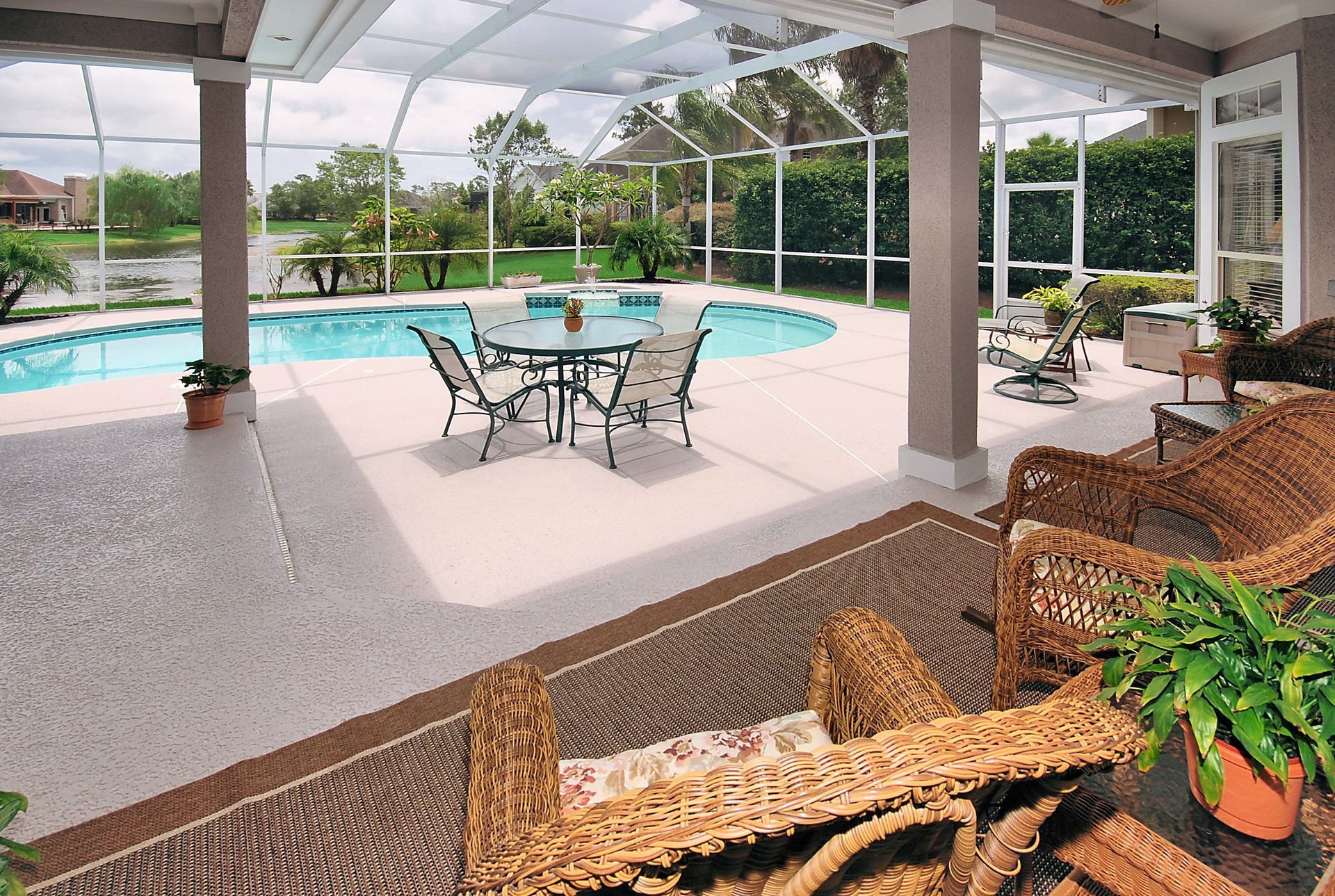
The reduction in insect interference greatly enhances the enjoyment and usability of the pool. Swimmers can enjoy extended hours in the pool without the nuisance of buzzing pests. The reduced presence of insects also means that poolside furniture and accessories remain cleaner, extending their usability. Furthermore, the absence of pests contributes to a generally calmer, more inviting atmosphere around the pool. Consequently, pool screen enclosures significantly enrich the overall ambiance, making the pool area inviting at any time of day.
Preventing Pest Habitats
By acting as a deterrent to pests, screen enclosures help prevent the establishment of pest habitats near the pool. Without access to water or nesting sites, common pests such as wasps and bees are less likely to frequent the poolside area. The controlled environment hinders rodents and birds from setting up nests near the pool, safeguarding its sanitation. This proactive approach to pest control minimizes the need for chemical deterrents, which can have broader environmental impacts. As a result, well-built pool screen enclosures contribute to fostering a safer, cleaner environment for family and guests alike.
These constructions effectively block out unwanted leaves, pests, and harmful UV rays while offering durability through variable weather conditions. The investment in pool screen enclosures not only adds tangible value to a property but also enriches the everyday experiences of homeowners. From improved water quality to enhanced property aesthetics, these enclosures deliver both function and form. In a competitive market, their benefits, coupled with eco-friendly attributes, elevate them as a sound choice for responsible, luxury living. Contact Midas Screening today to learn more.